
Ghost Train
Project status: in post-production
A winding journey along the network of disused colliery railway lines that connect the former mining communities of the West Durham Coalfield. Ghost Train is a documentary film in which multiple voices merge to create a powerful, cumulative portrait of de-industrialisation, systemic challenges and community resilience in the North East of England. The film focuses on the deep connection between these communities and the physical landscape, exploring how the history and politics of de-industrialisation continue to shape the region to this day. The resulting film speaks to the past, present and future of the area through the memories and dreams of its people.
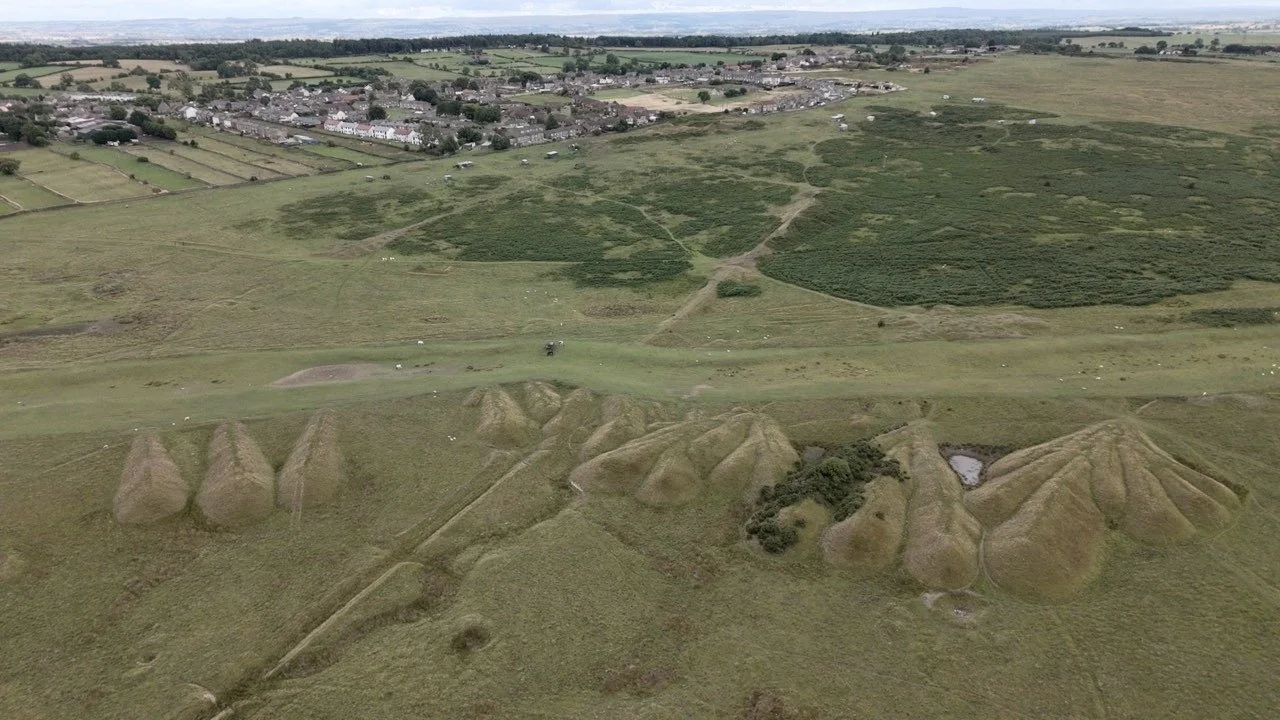
Aerial view of spoil heaps left over from mining activity in the West Durham Coalfield.
Methodology
Rather than relying on a traditional individual "hero narrative" Ghost Train asserts the collective as protagonist. This structure allows the documentary to effectively tackle complex systemic issues that resist conventional, linear storytelling.
The project passes through more than twenty towns and villages deeply connected to the coalfield’s industrial history. At each place, a film segment is created with a different contributor who has a personal connection to that location. The film's contributors are often prompted with a question such as: "What has this place meant to you or your community in the past? What are your dreams for it in the future?". The segments are varied, including creative responses (e.g. performance or music), emotional responses (personal memory), or factual anecdotes (historical insight). The completed documentary will be a compilation of these scenes, utilizing a modular, vignette-based design alongside recurring visual motifs (connecting lines, tunnels, industrial ruins) to weave an unspoken master narrative that connects seemingly disparate experiences into a cohesive whole. This expansive view demonstrates the pervasive nature of the systemic challenges faced by the region, taking viewers on a journey through the West Durham Coalfield and unearthing the connections and shared histories that still bind these communities together, despite the vast network of industry having been removed.
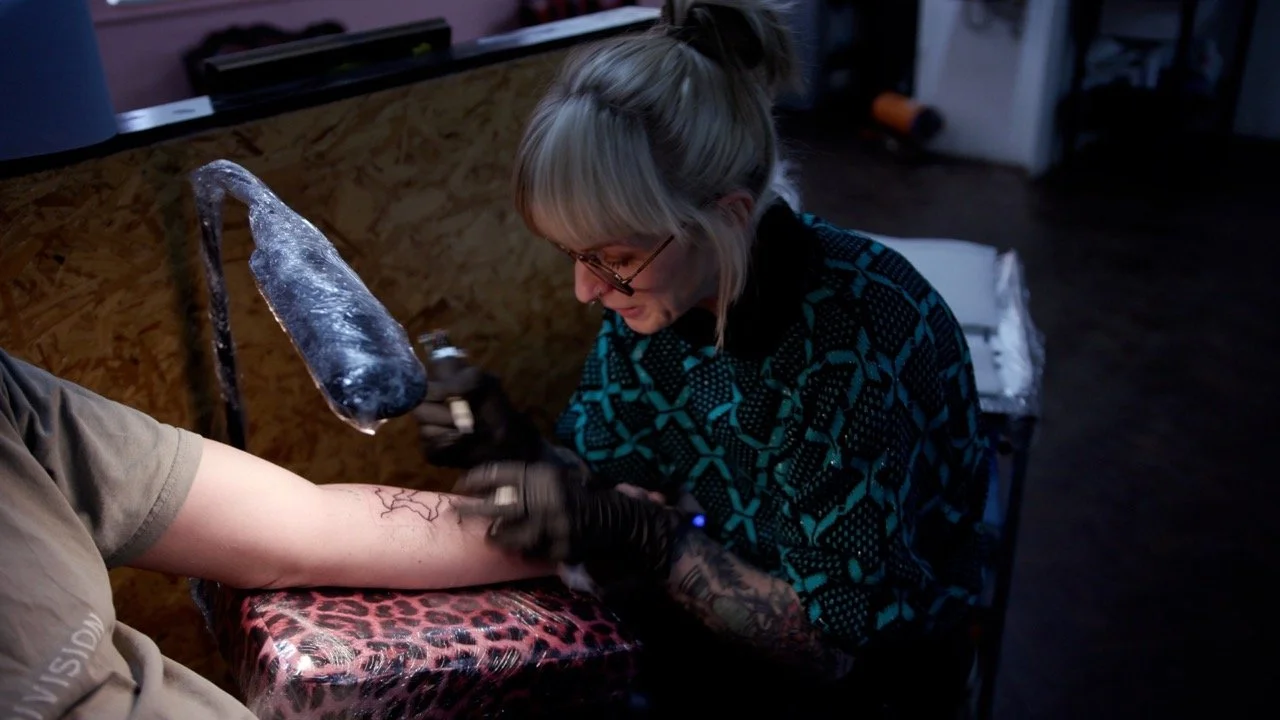
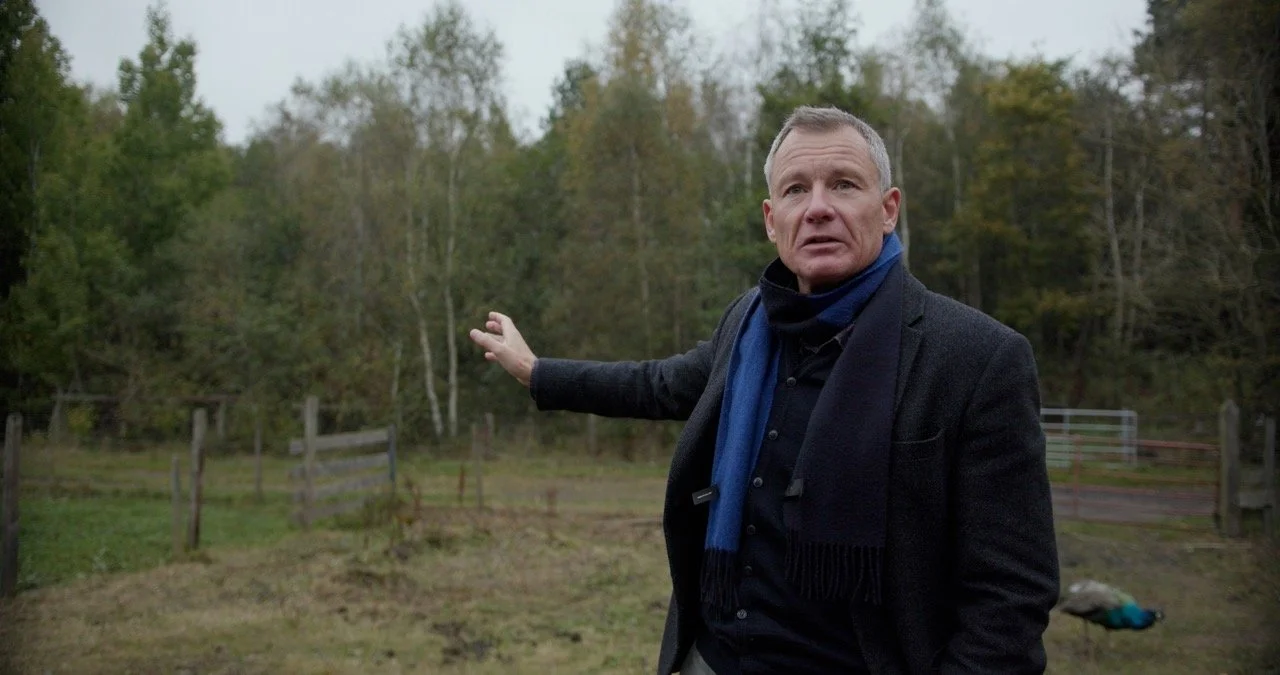
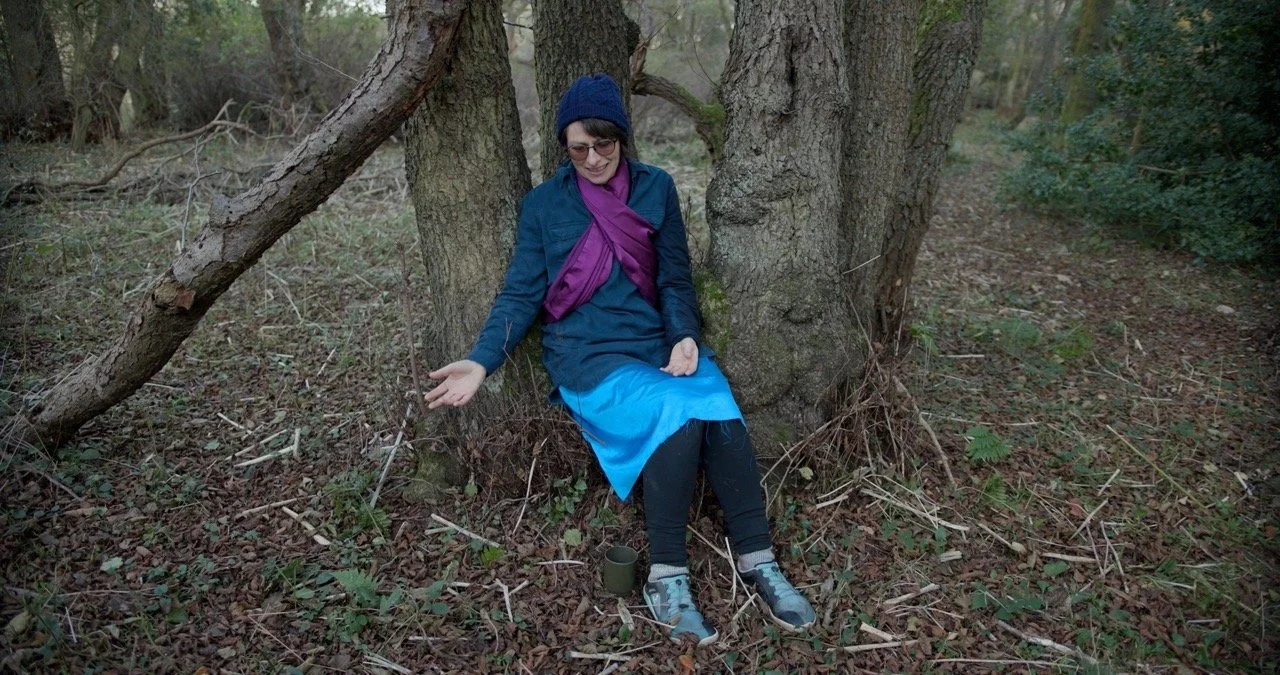
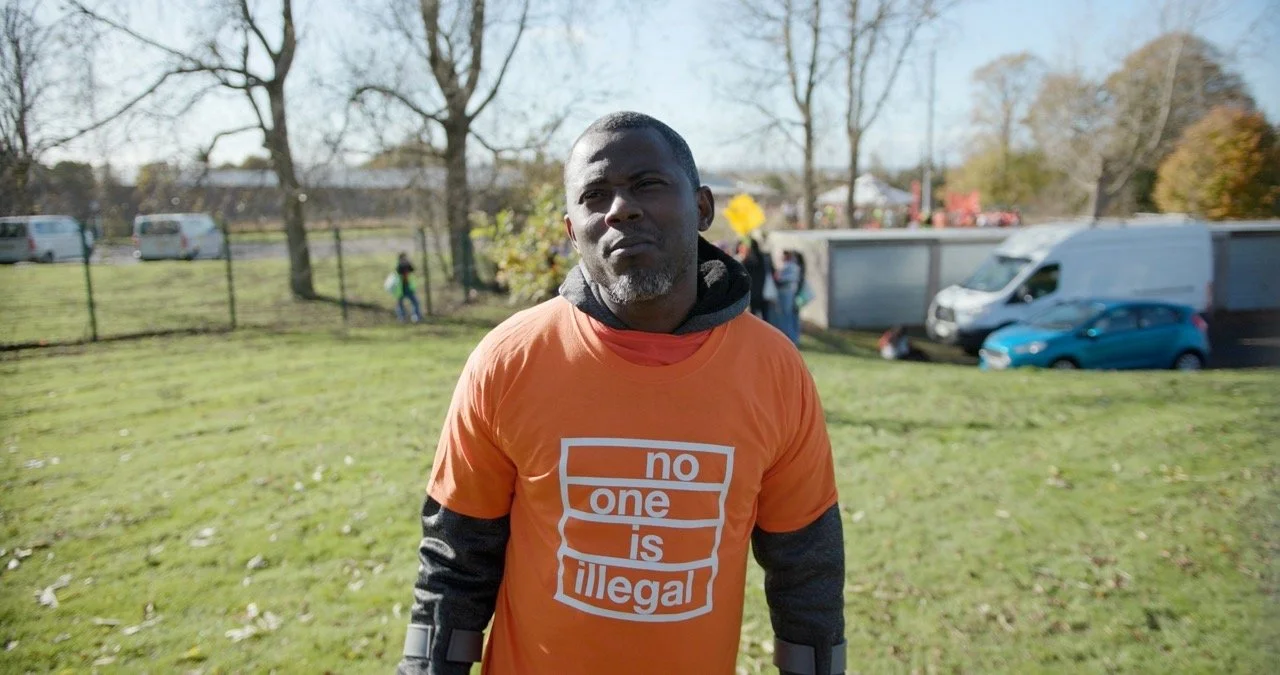
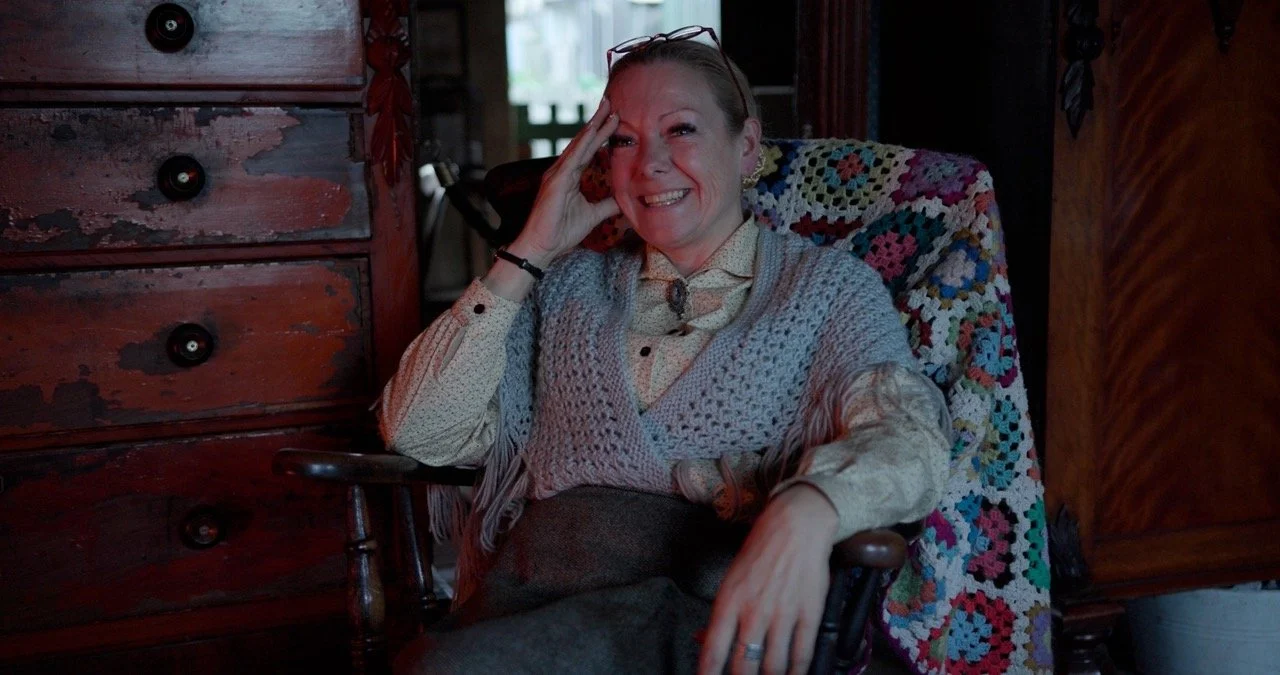
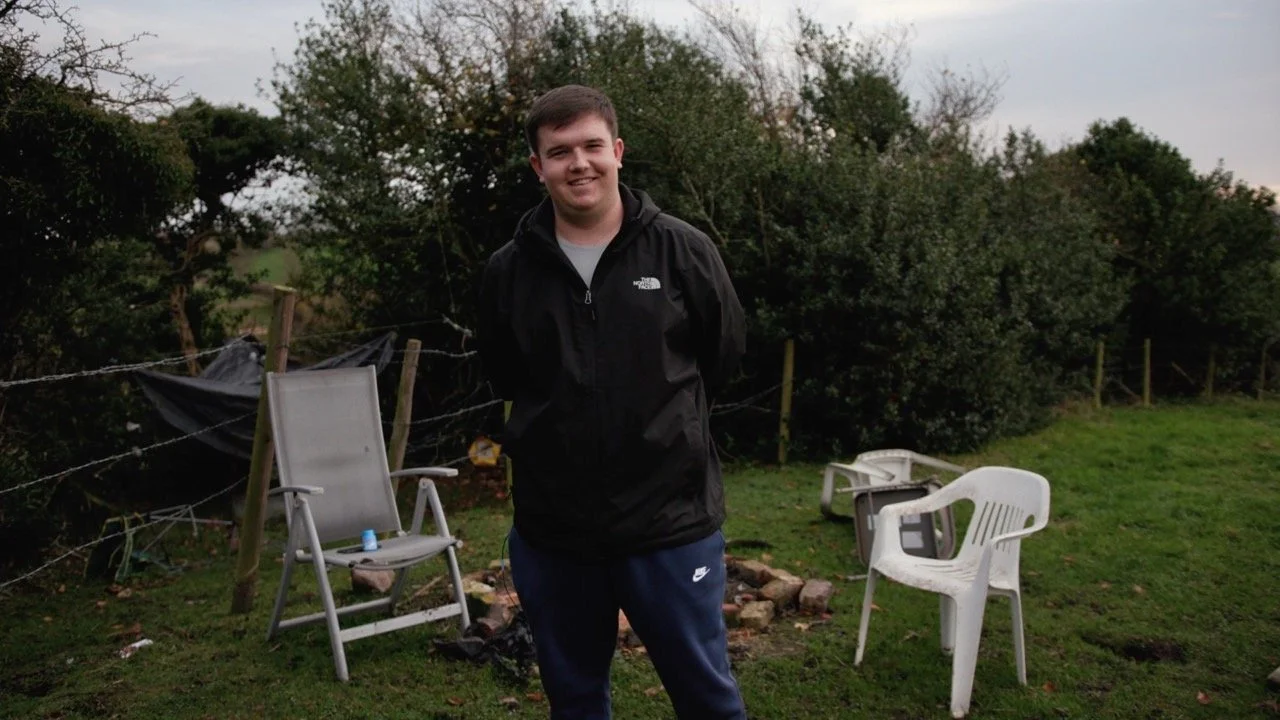
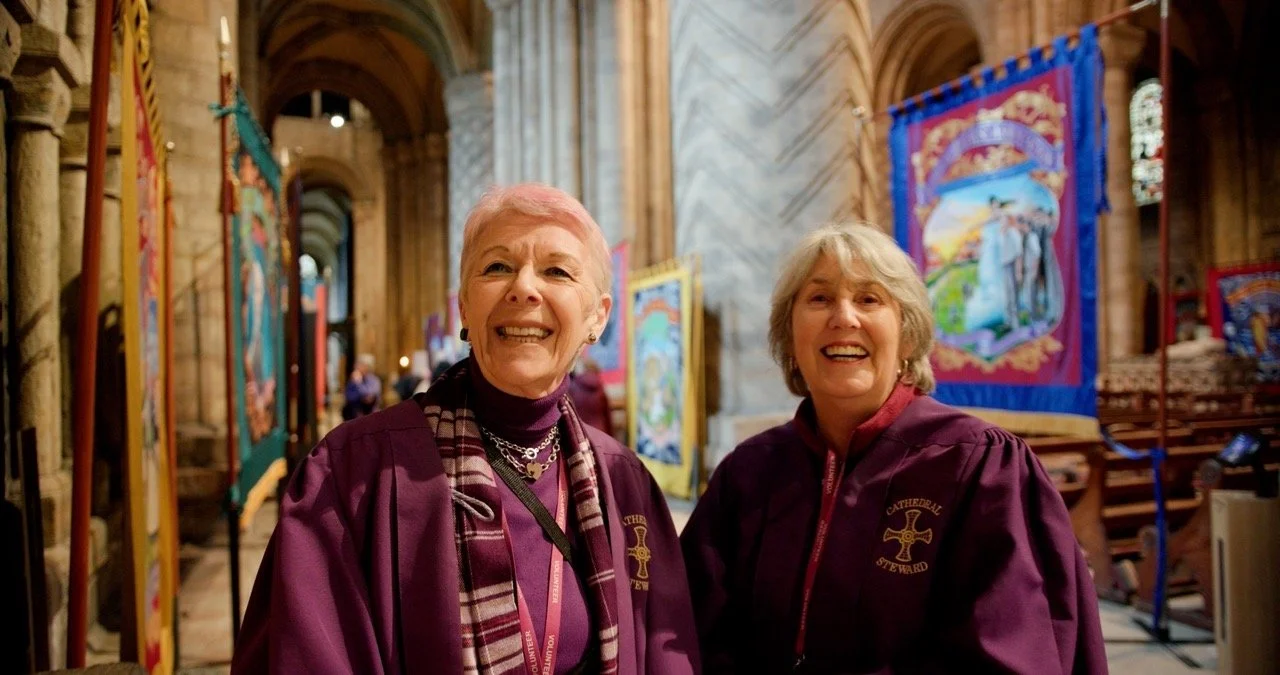
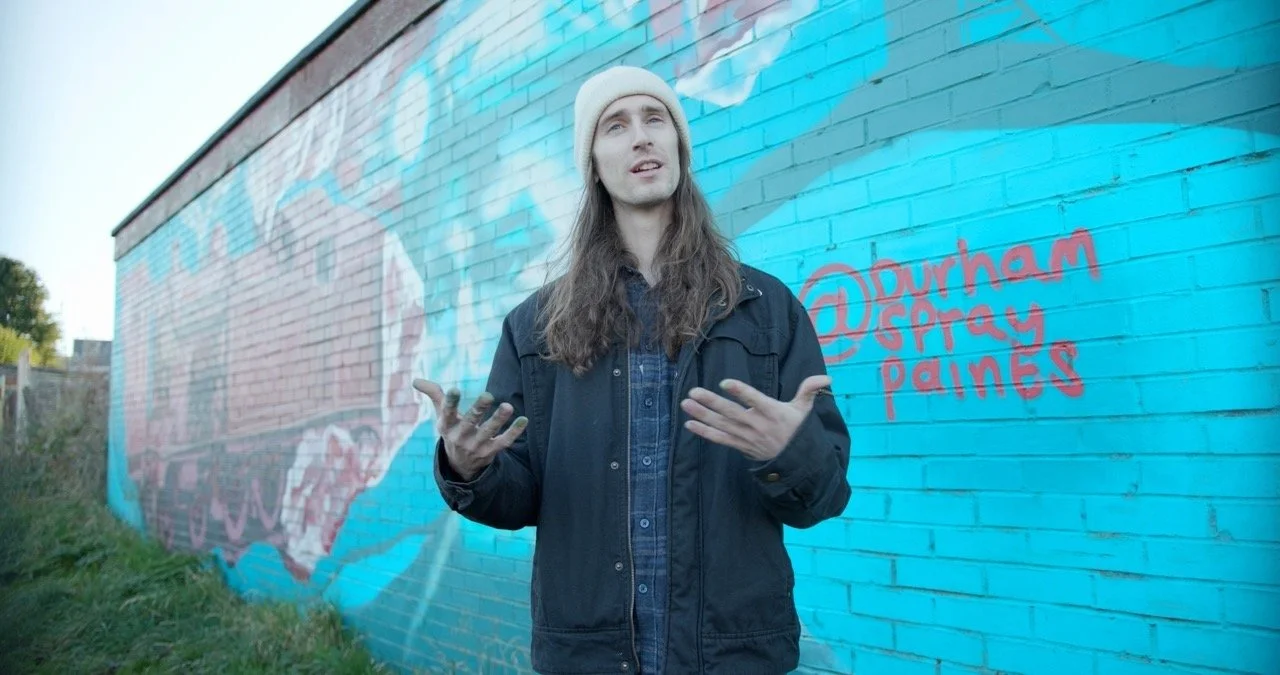
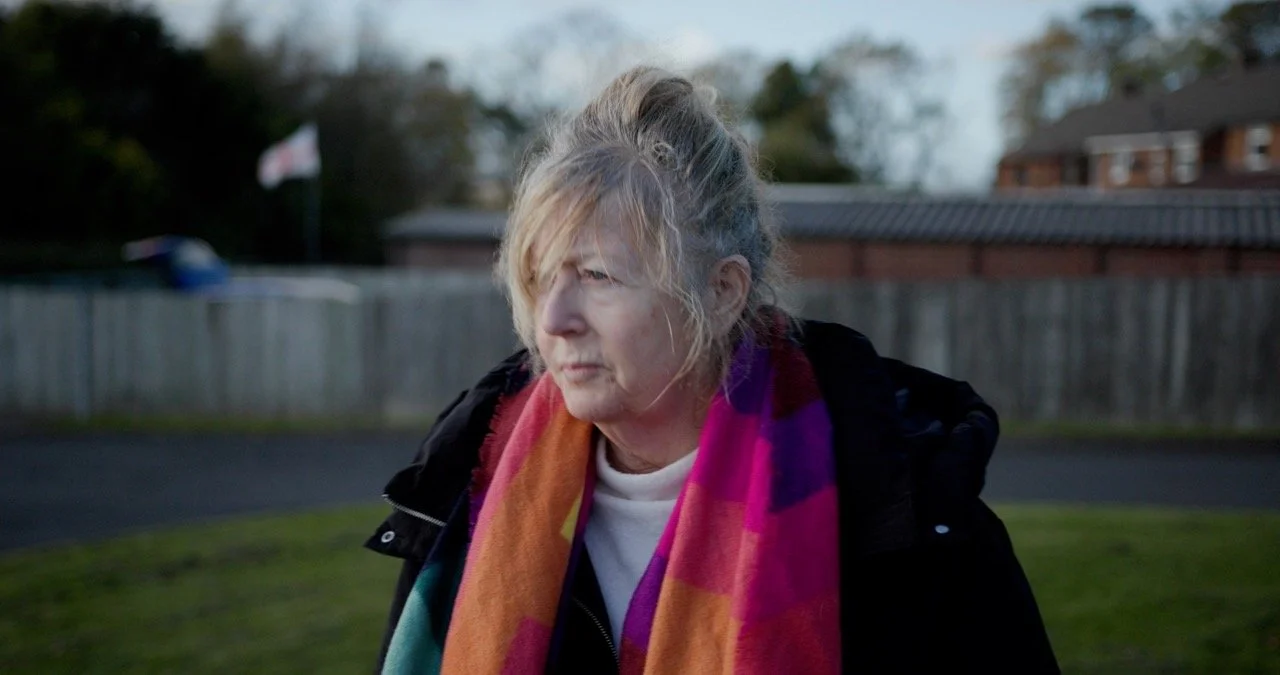
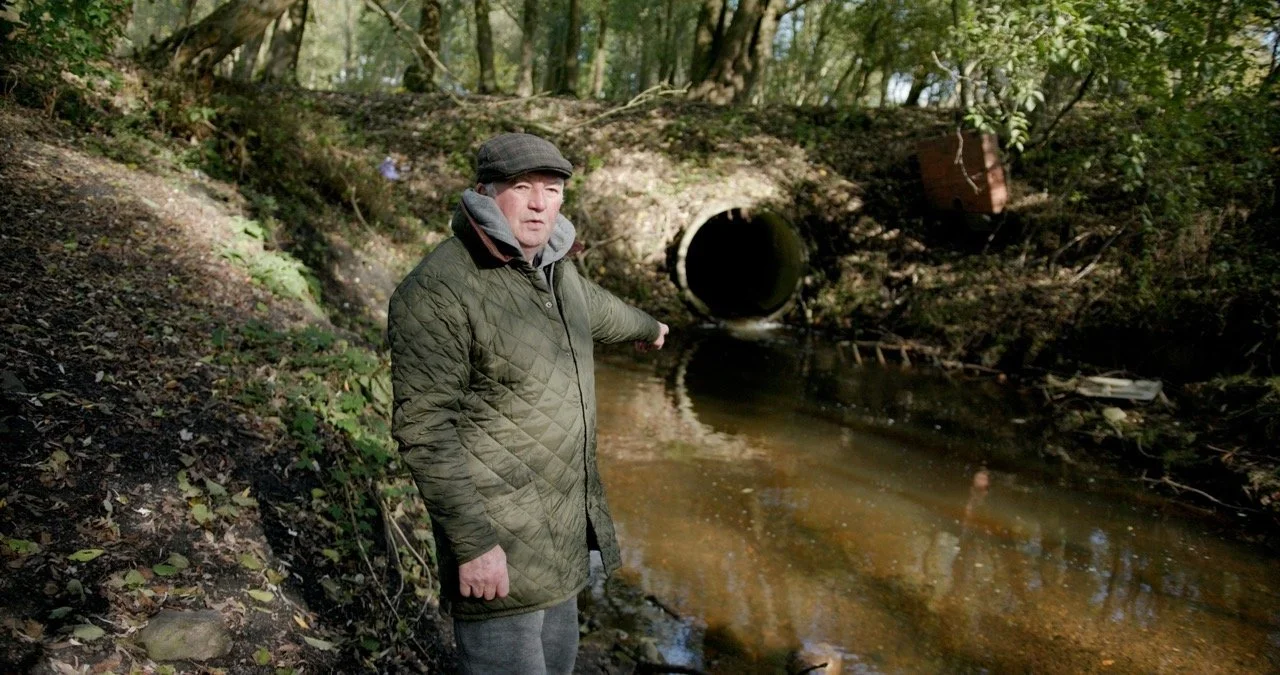
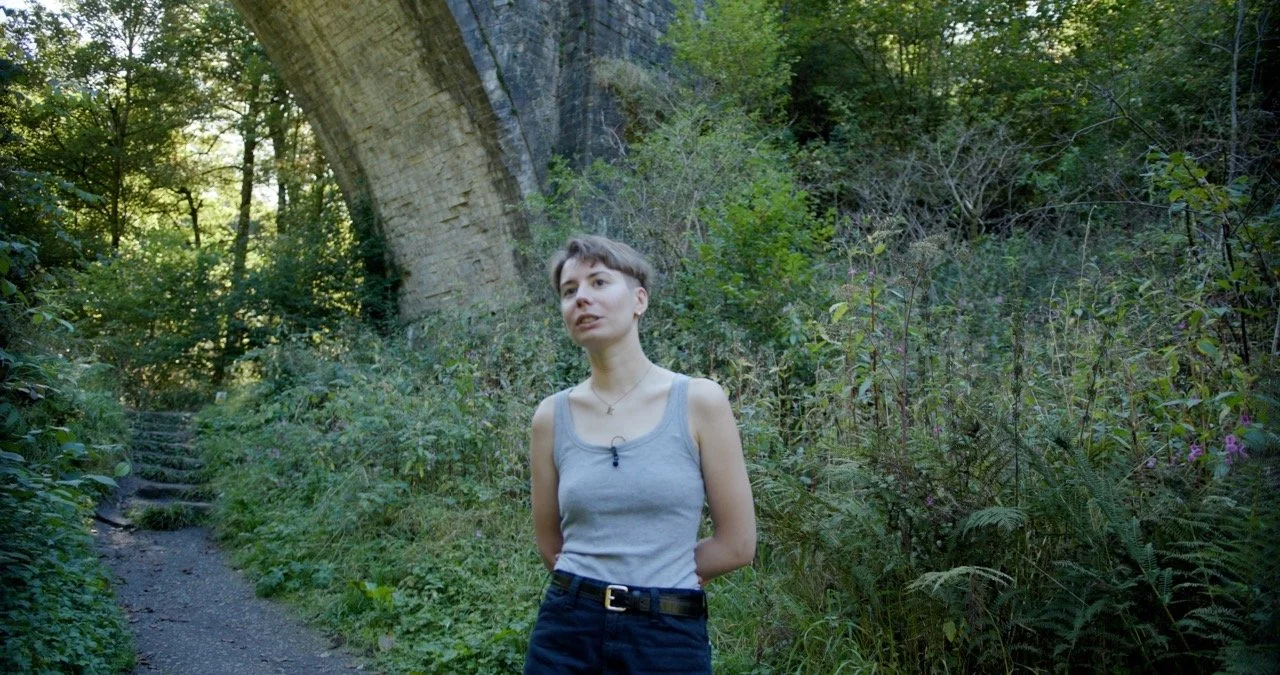
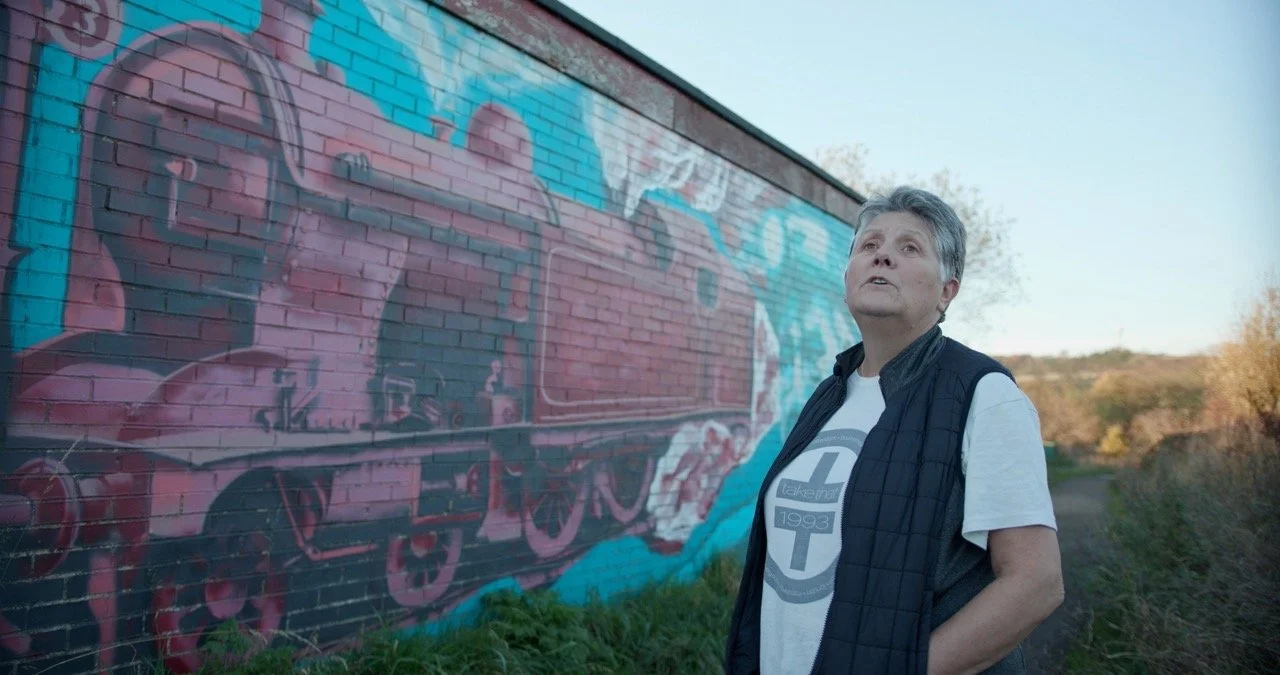
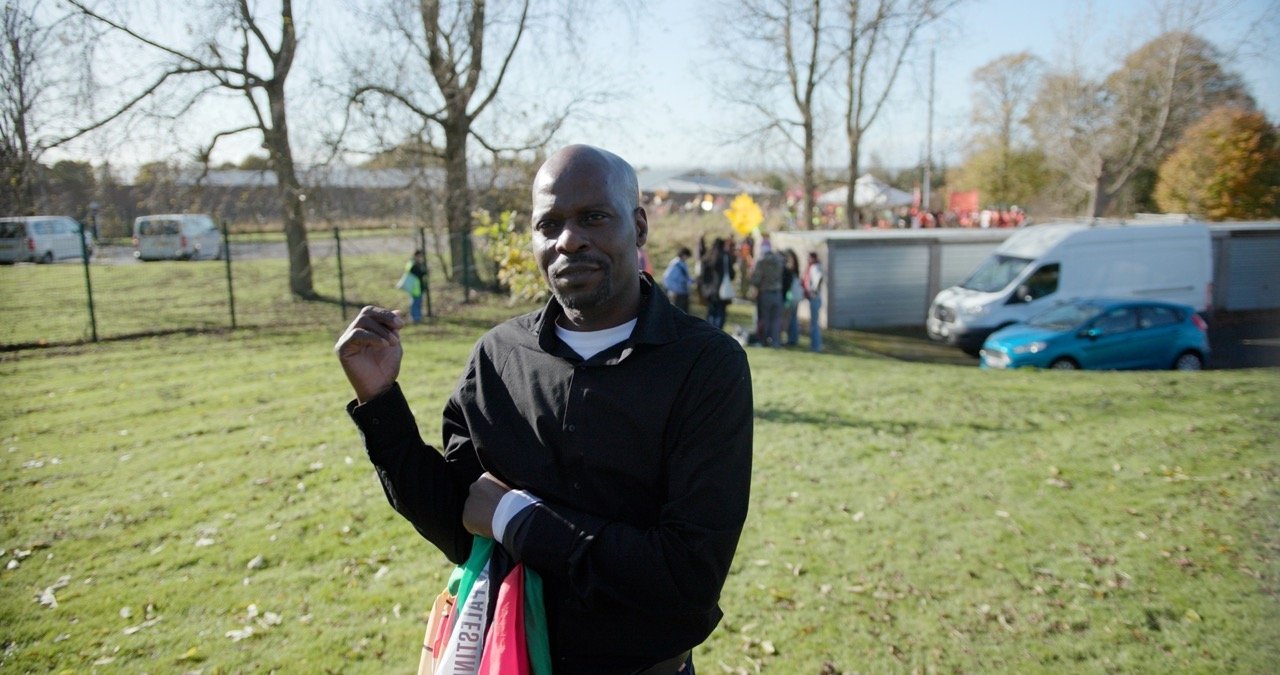
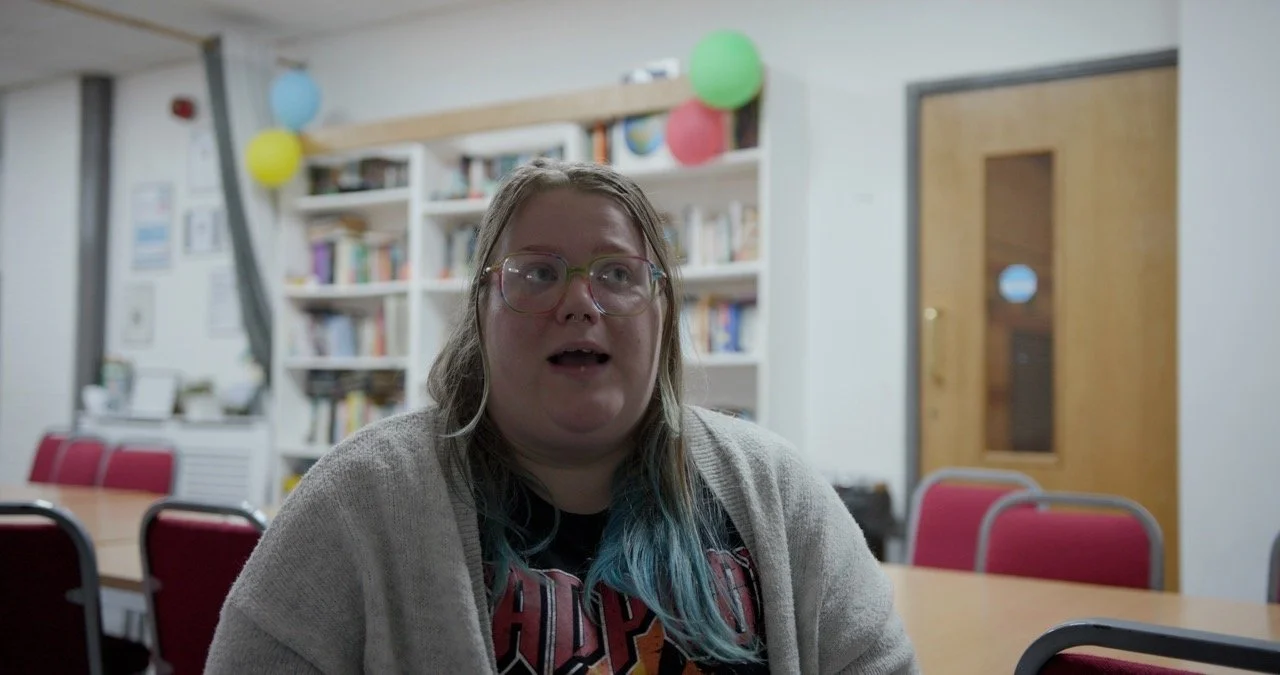
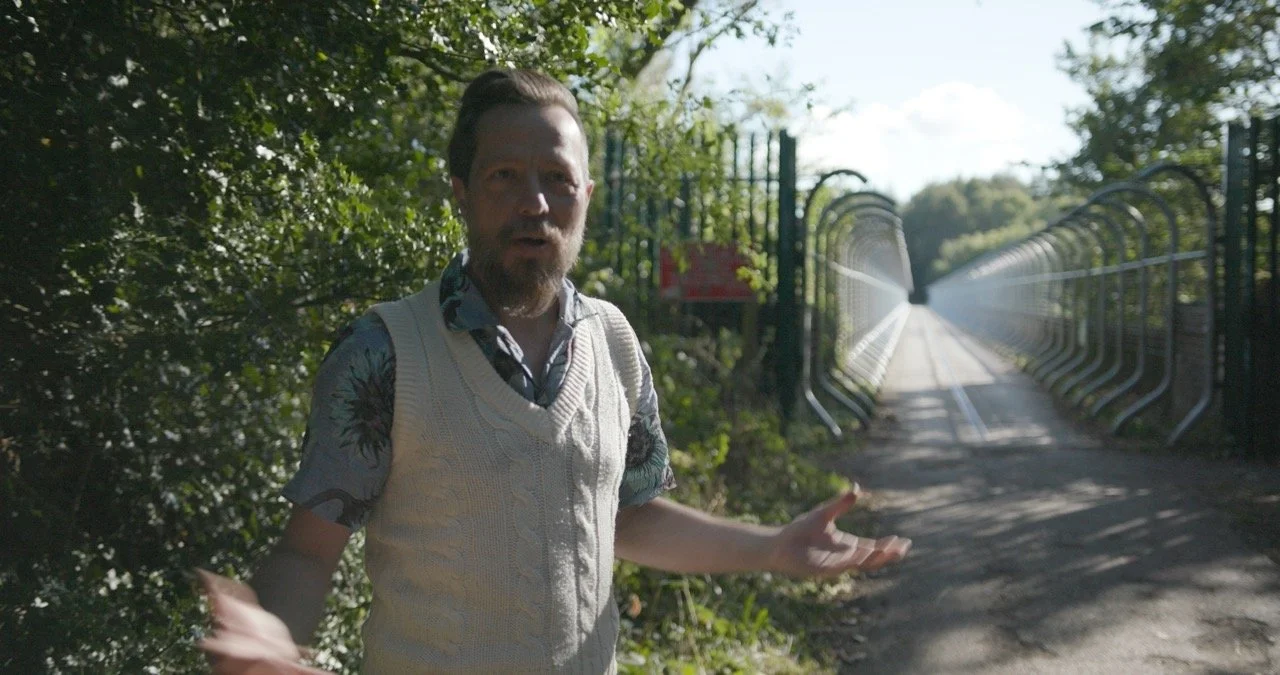
Below: some of the many contributors to Ghost Train

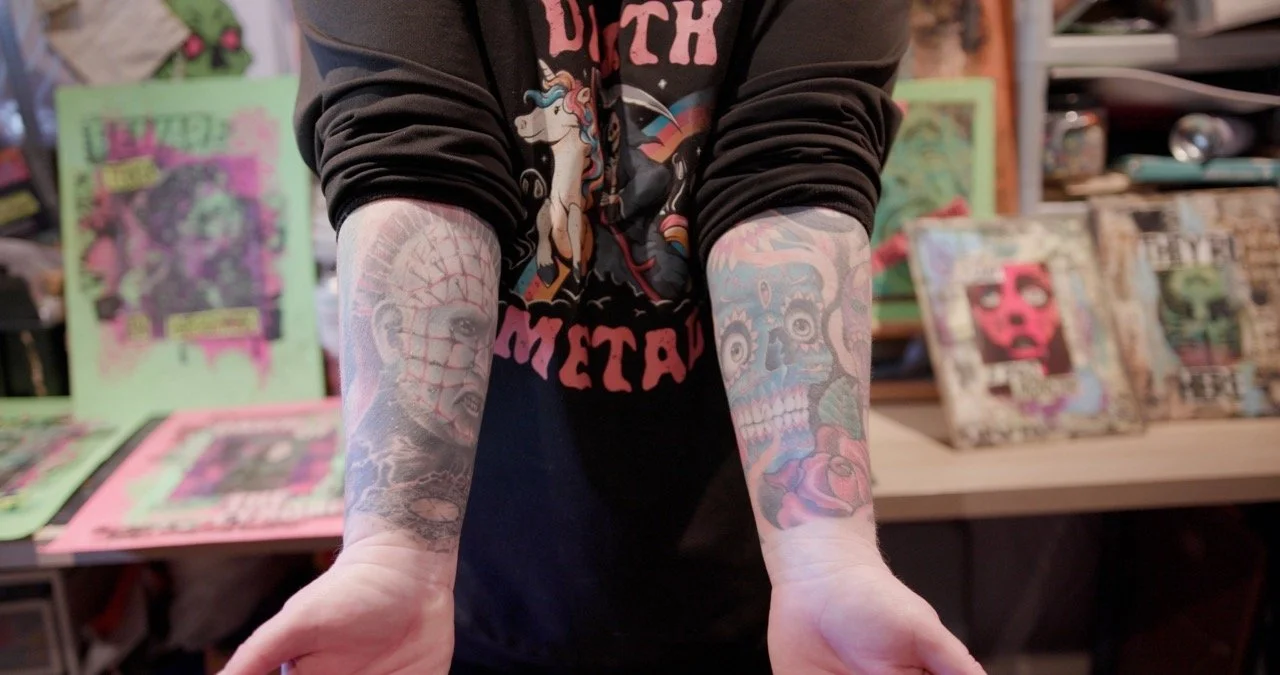
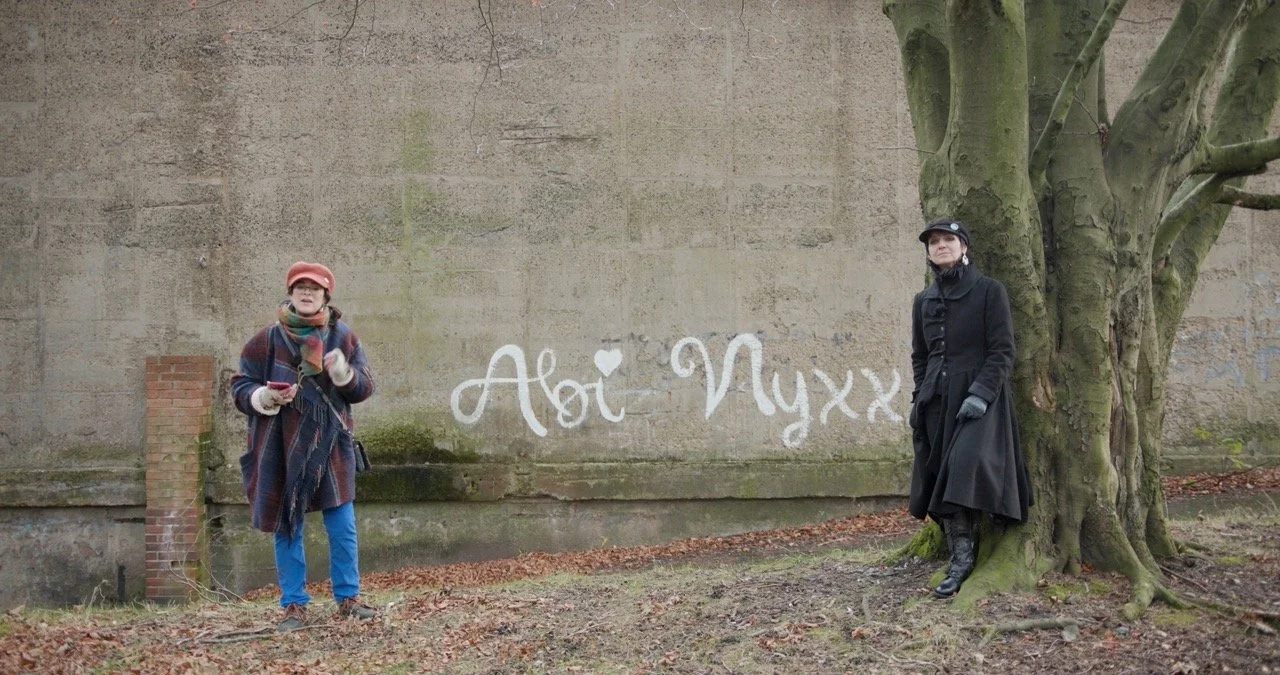
Key Themes
Ghost Train delves into the layered realities of the region, foregrounding its beauty while confronting its many challenges.
De-industrialisation and Legacy
The film explores the profound social and economic consequences of the closure of the mines, emphasizing how the austerity and political decisions have left many areas underdeveloped or forgotten. Contributors such as former miners share powerful stories of the industry's brutality, the injustice of the pit closures, and the subsequent decimation of communities.
Stephen Guy, former miner and current chair of the Durham Miners' Association, at the site of the mine he worked at in the 1980’s
Community
A central theme is the strong community spirit inherited from the pit villages. The film features local hubs, like the Quaking Houses Village Hall, which are lifelines today, providing food support and mental well-being services.
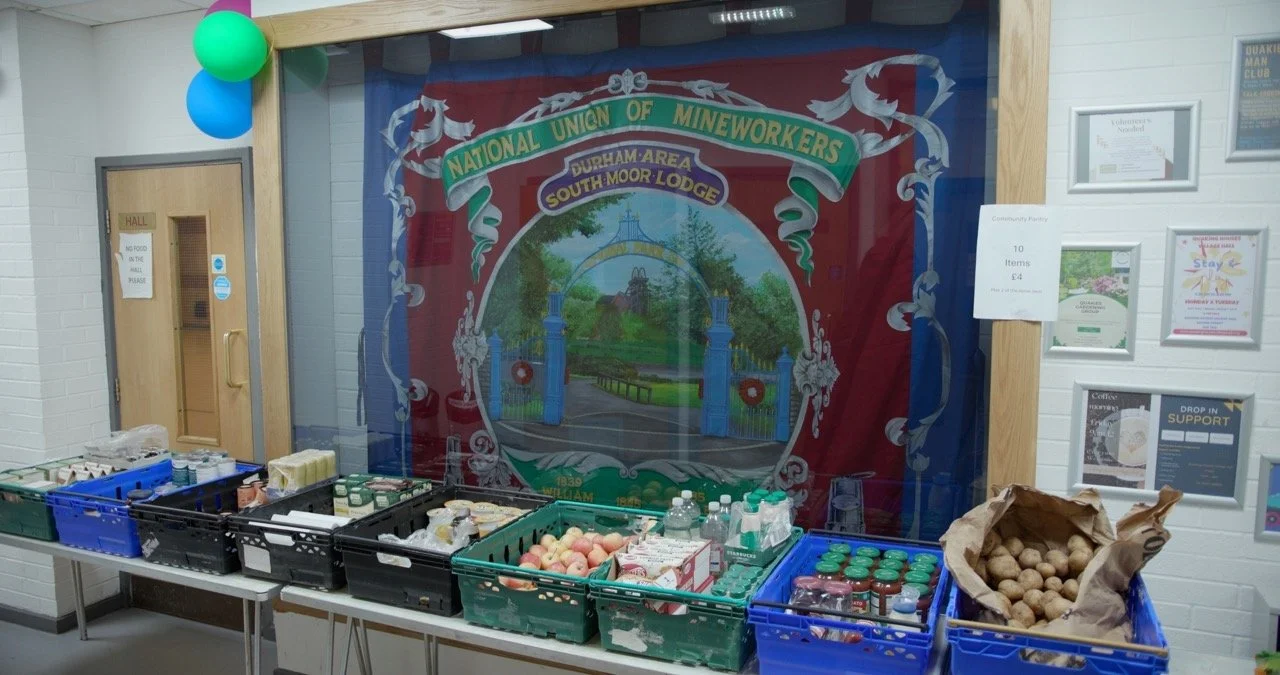
The community pantry at Quaking Houses Village Hall, which offers food at a nominal price and “pay as you can” community meals.
Contemporary Social Issues
The documentary connects historical industrial loss to current challenges, including rising food poverty, health inequalities, lack of opportunities for younger generations, and social justice issues such as refugee advocacy.
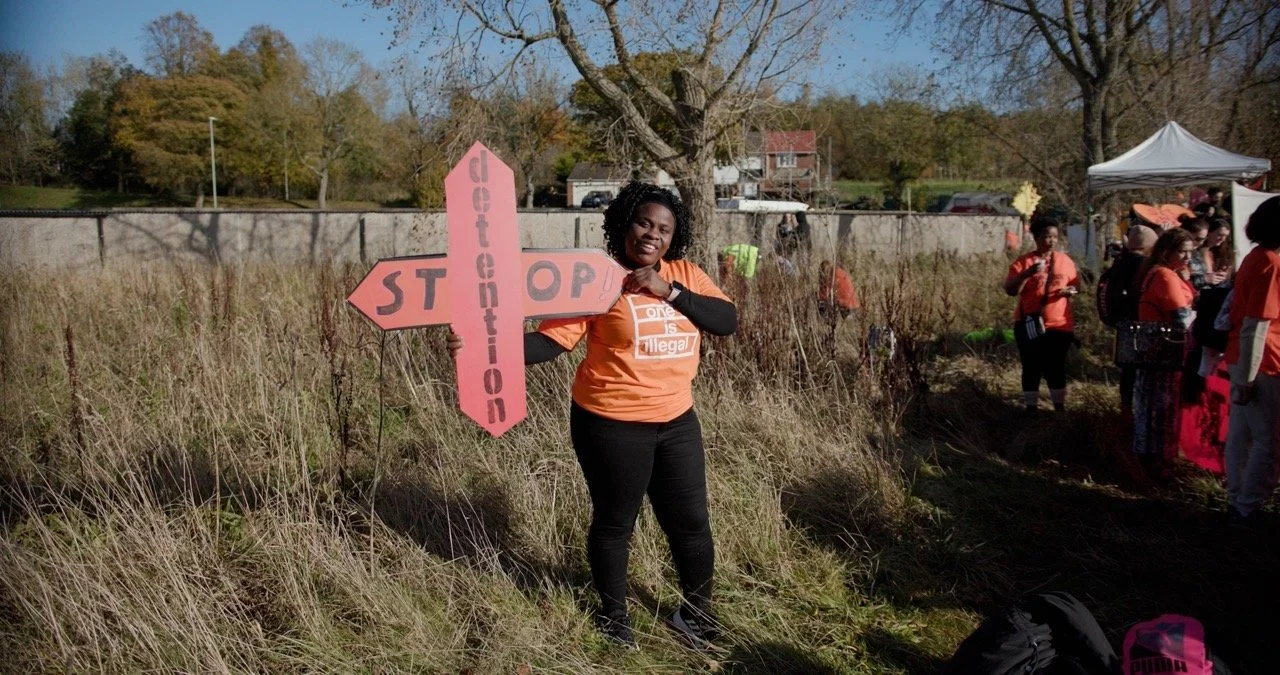
An activist at the site of Medomsley Colliery, which is now home to an immigration removal centre.
Progress and Current Status
Origin
Ghost Train originated as a "Seed" Commission supported by the Into The Light programme’s Cultivate Commissions.
Development and filming
The majority of filming took place between September and November 2024. The seed funded phase successfully concluded in February 2025.
Test Screenings
An early draft edit was screened to a small private audience, including film contributors, at the Grand Cinema in Beamish Museum in February 2025, to gather feedback.
Additional filming
Further filming of has taken place, including extensive landscape/location filming (e.g. former colliery sites) and some additional contributors to strengthen the overall narrative in response to feedback from test screenings.
Next Steps
Completion of final edit of the film.
Funding Need
The project is seeking completion funding for theatrical release.
About the Filmmaker
Matt James Smith is an artist and filmmaker born and based in County Durham, North East England. Having grown up in a Category-D-listed house in a former mining village, his practice is profoundly shaped by the de-industrialised landscapes and communities of the region. Matt holds a practice-led PhD (2012) on documentary representations of the post-industrial landscape of North East England.
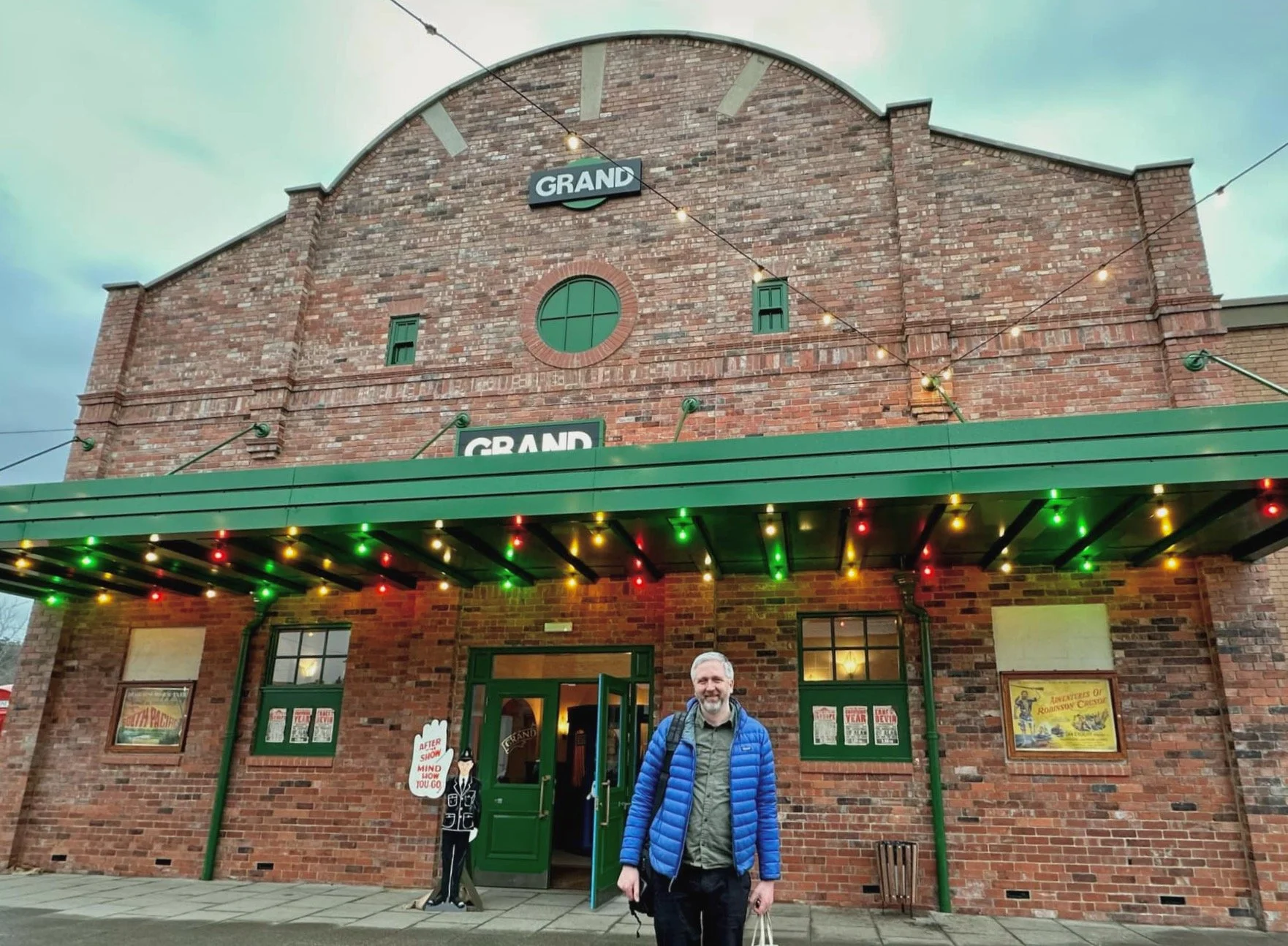
The filmmaker Matt outside Beamish Museum’s Grand Cinema, where a test screening of Ghost Train was held in February 2025.
